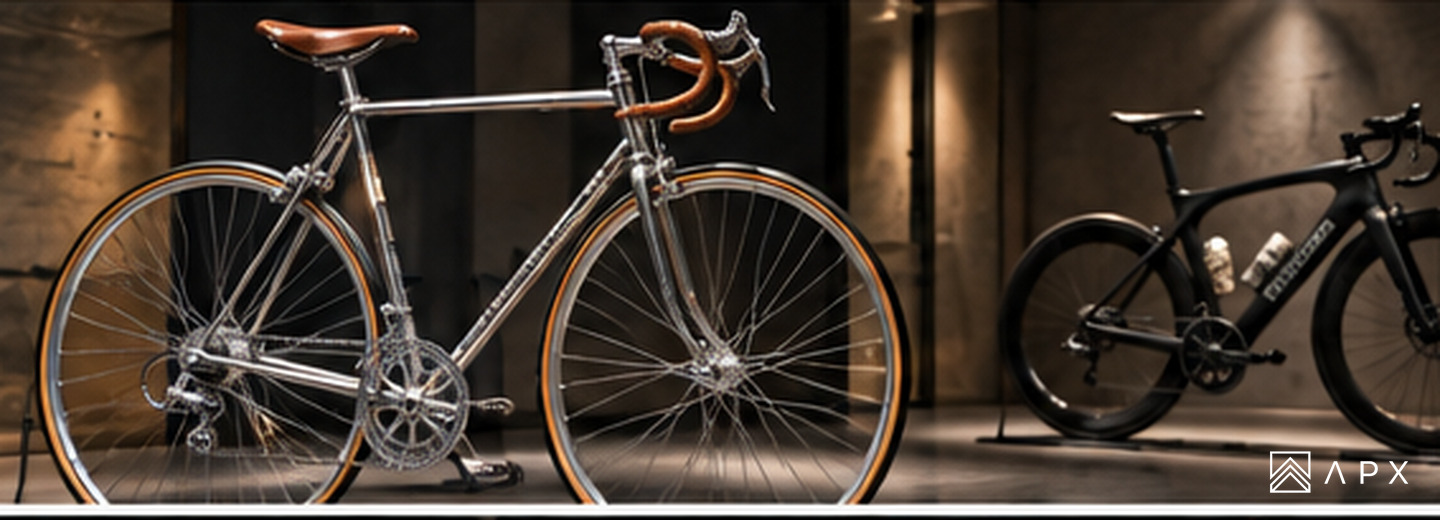
Collectible bicycles are moving from enthusiast niche to specialist auction category. APX examines Colnago, race provenance, originality and liquidity.
Executive Summary
Collectible bicycles remain small compared with cars, watches or art, but the category is becoming more professional. Sotheby’s now maintains a dedicated Cycling & High-End Sports Equipment category and in late 2025 offered a focused Colnago sale including a restored track bike built to the dimensions associated with Eddy Merckx’s 1972 Hour Record and a Tadej Pogačar race bike ridden on Mont Ventoux during the 2025 Tour de France.
The values are still modest by UHNW standards—many elite bicycles remain in the five-figure range—but that is precisely what makes the category interesting. It offers a relatively accessible way to acquire objects with genuine sporting provenance, advanced engineering and design history. The challenge is separating a bicycle that merely resembles a famous machine from one that can be documented to a rider, event or historically important production series.
Key Takeaways
- Sotheby’s has created a dedicated category for collectible cycling and high-end sports equipment.
- Race use and rider provenance can matter far more than brand alone.
- Colnago, historically important steel racing frames, limited collaborations and championship-linked bikes are among the areas attracting serious collectors.
- The category is still relatively illiquid and lacks the long public-price history of blue-chip cars or watches.
- Condition should be assessed differently from cars: sympathetic preservation may be preferable to cosmetic restoration that removes race history.
Why Bicycles Are Becoming Collectible
Elite bicycles combine industrial design, sporting performance and physical intimacy in a way few objects do. A Tour de France bike can be both advanced engineering and an artefact directly connected to a famous stage, rider or victory. At the same time, handmade Italian frames from the 1960s through 1990s can represent a disappearing manufacturing tradition in which geometry, lugwork, paint and component choice were highly individual.
The market also benefits from a new generation of wealthy cyclists who understand the equipment. Many buyers who grew up racing or following Grand Tours now have the means to collect the machines associated with Merckx, Pantani, Pogačar or landmark teams. That mirrors the demographic pattern that helped propel historic sneakers, sports cards and gaming collectibles.
What Makes a Bicycle Investment-Grade?
Documented race provenance
A frame with a story is not the same as a frame with evidence. Team records, photographs, serial numbers, sponsor markings, mechanic testimony and component configuration can help establish whether a bicycle was genuinely issued to or ridden by a particular athlete.
Historical importance
Certain machines mark a technical transition: early aerodynamic frames, pioneering carbon construction, hour-record bikes, Olympic machines or collaboration models. These can appeal to design and technology collectors as well as cycling specialists.
Originality
Restoration is nuanced. New paint may improve appearance but remove decals, scars and component combinations that document a bike’s competitive history. For a race-used object, wear can form part of the provenance. A fully refinished frame should not be valued as if it were untouched.
Portfolio Role and Risks
Collectible bicycles are unlikely to become a core allocation for a family office. They are better viewed as passion assets with low carrying cost, limited physical footprint and potential cultural value. The main risks are thin resale liquidity, weak authentication standards outside the best auction houses, uncertain parts originality and fashion-driven demand.
The positive side is that the entry point remains low relative to other trophy assets. A collector can assemble a historically meaningful group of race bicycles for less than the cost of one significant collector car. If the category matures, the most documented and culturally important bikes are likely to remain the easiest to explain to future buyers.
APX Perspective
Cycling is not yet a £500,000-per-bike market in the way comics, fossils or rare coins can be, and that distinction matters. The opportunity is earlier-stage: a specialist market is gaining auction-house infrastructure before price levels have fully institutionalised. For collectors who understand the sport, provenance-led bicycles offer a distinctive intersection of engineering, design and competitive history.
Frequently Asked Questions
Can a modern race bike be collectible?
Yes, particularly when it is directly documented to a major rider, victory or event. Provenance is likely to matter more than age alone.
Should race-used bicycles be restored?
Usually with caution. Restoration can remove original paint, decals, wear and components that help prove history. Conservation may be preferable to cosmetic perfection.
Is there a recognised grading system?
Not comparable with comics or coins. Specialist auction houses, frame historians and documented provenance currently play a larger role.
Related APX Intelligence
Sources & Further Reading
APX Intelligence is provided for general information only and does not constitute investment, legal, tax or financial advice. Collectibles and alternative assets can be illiquid, difficult to value and subject to material transaction, storage, insurance and authenticity risk.