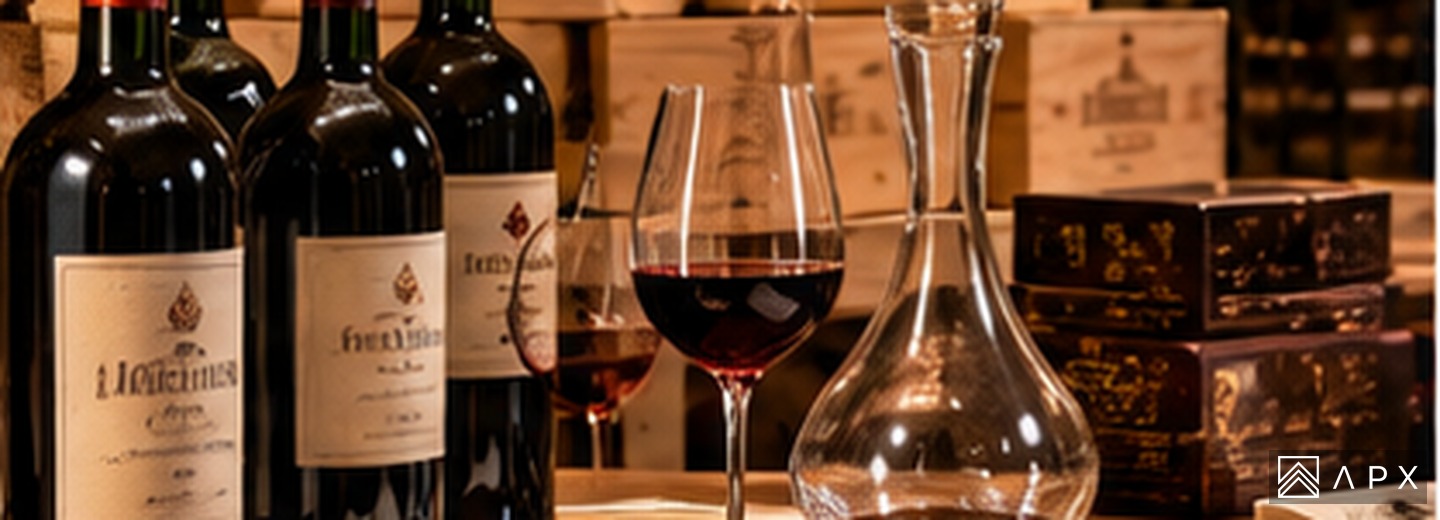
For investment-grade wine, storage is part of the asset. Bond status, original cases, temperature, condition and chain of custody can materially affect resale value.
Executive Summary
Fine wine is unusually sensitive to custody. A bottle can be authentic and still lose market value because of poor storage, damaged labels, low fill levels, mixed cases or an unclear ownership trail.
For UHNW collectors and family offices, the warehouse should therefore be treated as part of the investment infrastructure. The goal is not merely to keep bottles cool, but to preserve condition and documentary provenance in a form the secondary market recognises.
Key Takeaways
- Liv-ex standard trading contracts place explicit requirements on original packaging, label/capsule condition and bond status.
- Bonded storage can preserve tax status while wine remains in the professional trade chain.
- Condition checks may include labels, capsules, corks, glass markings and anti-counterfeit features.
- Original cases and consistent case composition can affect market acceptability.
- Warehouse records and transfer history are part of provenance, not just logistics.
Why “Stored Correctly” Is Not Enough
A private cellar can be temperature controlled and still create questions for future buyers if the wine lacks professional movement records. In the investment market, provenance often means both physical condition and an auditable chain of ownership and storage.
Liv-ex trading standards show how specific professional buyers can be: original packaging, clean labels, intact capsules, correct fill levels and appropriate bond status all matter.
Bonded Warehousing and Tax Status
Wine held in a bonded warehouse can move through parts of the professional market without duty and tax being paid until it is released for domestic consumption, subject to jurisdictional rules. That can improve trading efficiency and reduce unnecessary tax friction for collectors who may never physically consume the asset.
Families should ensure ownership records are clear even when tax remains suspended. The warehouse account, beneficial owner and transfer instruction process should all be documented.
Inspection and Authentication
Professional logistics providers increasingly combine storage with inspection. Liv-ex describes checks that can include ultraviolet examination of labels, producer-specific anti-counterfeit features, capsules, proof tags, corks, sediment and glass markings.
That does not eliminate fraud risk, but it raises the standard of evidence. For older and higher-value bottles, condition photographs and independent specialist reports can be worthwhile before acquisition.
Design the Exit Before the Cellar
A collector should know where the wine is likely to be sold before choosing long-term storage. Moving cases out of recognised facilities and into a private home can reduce tradeability even if the wine is handled perfectly.
The most efficient structure often keeps investment stock in professional custody and separates it from bottles intended for personal consumption.
APX Perspective
In fine wine, custody is value preservation. The warehouse is not a passive box around the asset; it is part of the provenance story that the next buyer will rely on.
Frequently Asked Questions
What does “in bond” mean?
It generally means the wine is held in an authorised warehouse with applicable duty/tax suspended until release, subject to local rules.
Does original packaging matter?
Yes. In the professional market, original cases and undamaged packaging can materially support condition and provenance.
Can home-cellared wine still be valuable?
Absolutely, but investment buyers may apply more scrutiny or a discount if storage history cannot be independently verified.
Related APX Intelligence
Sources & Further Reading
APX Intelligence is editorial information only and does not constitute investment, legal, tax or financial advice. High-value physical assets can be illiquid, costly to insure and store, and may involve jurisdiction-specific legal or tax considerations.