
In the upper echelons of alternative asset allocation, vintage horology operates as a sovereign store of value. While modern production references fluctuate with retail distribution cycles, mid-century vintage timepieces boasting 7-figure auction results ($1,000,000+) are backed by immutable mechanical scarcity, historical provenance, and capped factory volume.
For APX members, evaluating seven-figure vintage assets requires auditing three non-negotiable pillars: originality of condition, documented historical provenance, and extreme metal or dial rarity.

1. The Multi-Million Vintage Benchmarks ($1M – $17M+)
When vintage timepieces break the seven-figure threshold, they transition from collectible passion assets into institutional-grade stores of value. Below are the premier vintage references that define this market tier:
| Reference / Asset | Era | Benchmark Valuation | Rarity & Catalyst |
|---|---|---|---|
| Patek Philippe Ref. 1518 (Steel) | 1941–1954 | $11,100,000 – $17,600,000+ | World’s first series-produced perpetual calendar chronograph; only 4 known in steel. |
| Rolex "Paul Newman" Daytona Ref. 6239 | 1968 | $1,300,000 – $17,750,000+ | First-ever Daytona reference; extreme premium for original exotic dials and gold cases. |
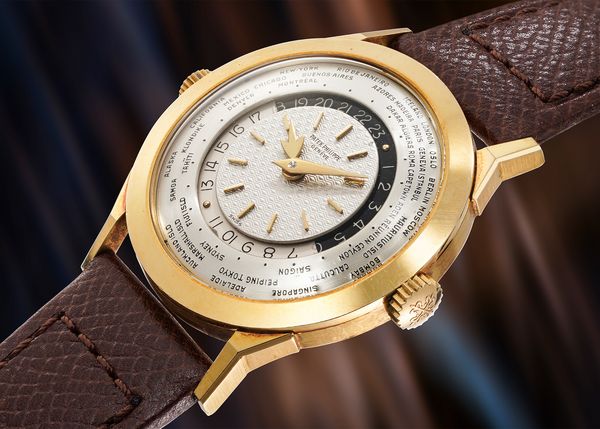
| Patek Philippe "Heures Universelles" Ref. 2523 | 1953 | $7,600,000 – $8,900,000+ | Louis Cottier two-crown world-timer system with cloisonné or double-signed enamel dial. |
| Rolex "Bảo Đại" Ref. 6062 | 1952 | $5,060,000+ | Owned by the last Emperor of Vietnam; yellow gold triple calendar moonphase with diamond dial. |
2. Strategic Deep Dives: The Anatomy of Vintage 7-Figure Alpha
Patek Philippe Reference 1518: The Steel Benchmark
- Historical Significance: Launched in 1941, Reference 1518 was the world's first perpetual calendar chronograph produced in series. While approximately 281 total units were made (mostly in yellow or rose gold), only four examples were ever cased in stainless steel.
- Asset Valuation: A steel Ref. 1518 achieved $11.13M at Phillips Geneva, proving that utility metal (steel) paired with extreme complication and single-digit production yields massive outperformance over precious metals.
Rolex Exotic Dials: Ref. 6239 / Ref. 6263 "Paul Newman"
- Historical Significance: Powered by the manual-wind Valjoux Calibre 722/727, vintage 1960s and 1970s Daytonas were initially slow sellers. The exotic art-deco step dial featuring square markers transformed these tool watches into international auction icons.
- Asset Valuation: While standard vintage Daytonas transact lower, pristine matching-number "Paul Newman" examples with rare dial configurations or gold cases regularly clear $1.3M to $5M+ at major auction houses.
Patek Philippe World-Timer Ref. 2523: Architectural Enamel
- Historical Significance: Utilizing Louis Cottier's revolutionary two-crown world-time mechanism from the 1950s, Ref. 2523 features hand-painted cloisonné enamel dials depicting North America, Eurasia, or deep blue enamel inserts.
- Asset Valuation: With fewer than 25 total examples known across all metals and dial layouts, any appearance of a Ref. 2523 at auction commands $5M to $9M+, establishing it as a cornerstone asset for high-net-worth family office collections.


