
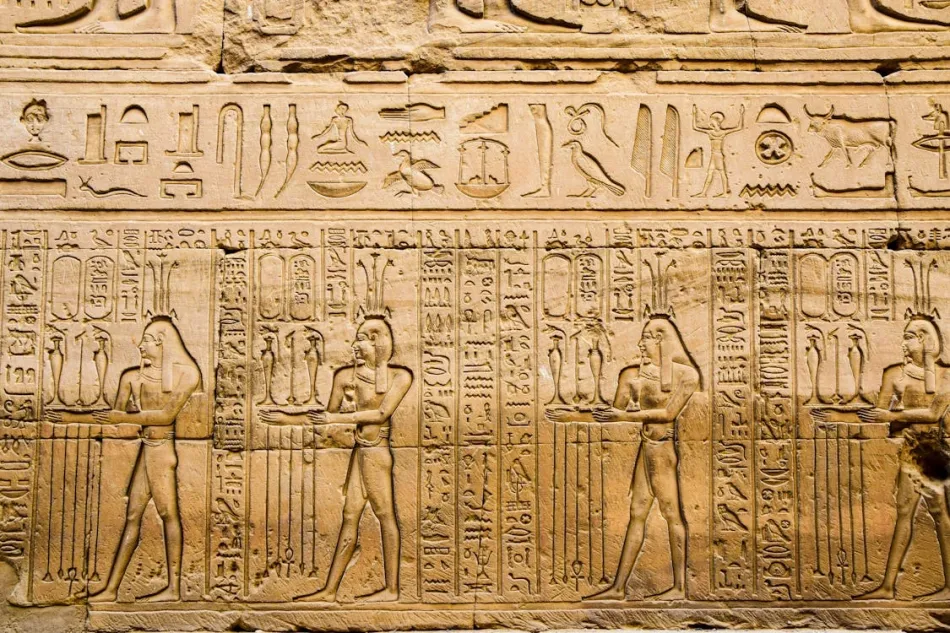
Collecting classical antiquities—from Egyptian sarcophagus masks and Hellenistic marbles to Roman bronzes and Mesopotamian seals—offers a tangible connection to ancient history. However, ancient art is one of the most strictly regulated asset classes in the alternative investment landscape.
Because national heritage laws and international conventions protect cultural artifacts, acquiring antiquities requires flawless legal due diligence to ensure flawless title ownership, export compliance, and physical authenticity.

1. Legal Compliance Framework: The 1970 UNESCO Benchmark
The primary legal benchmark governing antiquities transactions globally is the 1970 UNESCO Convention on the Means of Prohibiting and Preventing the Illicit Import, Export and Transfer of Ownership of Cultural Property.
| Compliance Metric | Legal Requirement | Risk Mitigation Protocol |
|---|---|---|
| Pre-1970 Provenance Trail | Documented publication, auction listing, or museum record dating prior to November 1970. | Guarantees protection against international repatriation claims by source nations. |
| Export Licenses & Permits | Official government export documentation from the country of origin or modern host state. | Prevents asset seizure by border customs agencies during transport. |
| Art Loss Register Audit | Database clearance confirming the object is not listed as stolen, looted, or unrecovered. | Mandatory pre-closing certificate issued prior to wire transfer. |


