APX explains how to build a yacht-specific annual budget, separate routine expenditure from major work and test the assumptions behind the cost of a 25–35 metre yacht.
Executive Summary
The annual cost of a 25–35 metre yacht should be built from the actual operating programme. Length gives a broad context, but it does not establish crew requirements, machinery condition, guest expectations, home-berth cost or the timing of major work. A discounted older yacht does not necessarily cost less to operate because its purchase price is lower.
An owner needs three connected views: recurring expenditure, a forward schedule of substantial maintenance and renewal, and the wider economic cost of holding the asset. Mixing those views into a single percentage makes it harder to understand the cash requirement or compare two yachts.
This guide explains how to construct that budget with a captain, manager and independent advisers. Its numerical example is explicitly fictional and demonstrates arithmetic only. It is not a market estimate, quotation or APX dataset for yachts in this size range.
How much does a 25–35 metre yacht cost to run?
There is no defensible universal figure from length alone. Build the budget from the particular yacht’s crew, berth, insurance, maintenance, fuel and cruising programme, then add planned capital work and contingency. Obtain written quotations and historical accounts; keep purchase, financing and resale assumptions separate from routine operating expenditure.
Key Takeaways
- Budget for availability as well as time spent cruising.
- Include the full employment cost of the chosen crew arrangement.
- Separate routine maintenance from substantial replacement and refit.
- Model owner use and charter activity as different operating cases.
- Track cash expenditure separately from reserves and economic cost.
In This Article
Start with a written cruising programme
Define the home base, intended season, likely destinations, guest numbers, service expectations and planned periods out of use. Describe whether the yacht will stay in one region or reposition. Ask who is responsible for the assumptions and when they will be updated.
The point is not to predict every itinerary. It is to give the operating team enough information to cost a plausible programme. A budget based on quiet local use should not be presented as adequate for a season of frequent guest changes and substantial relocation.
For a pre-owned candidate, request recent accounts and maintenance history through the agreed purchase process. Ask which costs relate to the previous owner’s preferences, which have been deferred and which are likely to recur. Historic expenditure is evidence to interpret, not an automatic forecast of the buyer’s requirements.
Crew: cost the complete employment arrangement
Set the proposed staffing and rotation with qualified operational advice. The appropriate team depends on the vessel, service level, private or commercial use and applicable requirements. This article does not prescribe a minimum complement from length alone.
The employment budget should identify salaries alongside the relevant employer contributions, recruitment, travel, training, medical requirements, accommodation arrangements, relief cover and administration. Confirm who employs each person and which costs sit with the owner, management company or another entity.
Ask how leave, illness and turnover affect availability. A salary schedule may look affordable while omitting the cover needed to deliver the owner’s programme. Employment terms and flag-related responsibilities deserve their own advice; they are not simply a purchasing exercise for the lowest quoted monthly wage.
Berthing: use a written offer for the actual yacht
Identify the berth category, dates and measurement basis. Ask about utilities, waste, parking, access services and charges that sit outside the headline berth fee. Establish what happens if the yacht arrives outside the booked period or needs a different position.
The Ports of Monaco tariff page illustrates why published schedules should be read by port and period, rather than converted into one universal Mediterranean cost. It is a primary source for its own published tariffs, not evidence of a berth being available or of another marina’s charges.
For budgeting, obtain an offer from the actual home marina and include intended visitors’ berths separately. A seasonal allocation and a sequence of transient stops solve different problems. Confirm reservation, cancellation and overstay terms before treating either as a fixed commitment.
Fuel: model the journey rather than the tank
Ask the captain to prepare a consumption estimate using the particular yacht’s evidence and proposed speed profile. Distinguish propulsion from generators and tenders. Fuel capacity is storage; annual consumption depends on how the yacht is operated.
Document litres, price per litre, taxes and any additional delivery charges consistently. Avoid mixing litres with US or imperial gallons. If an estimate is taken from a sea trial or manufacturer test, retain the load and operating assumptions and explain how the captain has adapted it to the programme.
Build a sensitivity case for a different cruising pattern. Slower passages, longer distances or more time at anchor may shift different parts of the cost base. The owner should understand the driver rather than receive a single annual fuel allowance with no explanation.
Maintenance: ask what is due during ownership
Separate scheduled servicing, consumables and minor repairs from the substantial work expected over the intended holding period. Machinery, generators, stabilisation, climate systems, navigation, paint and decks require different planning. The technical adviser should identify the relevant tasks for the actual vessel.
For each material event, record the likely timing, present evidence, quote status and need for further inspection. A cost that is not payable this year may still be part of the ownership decision. Conversely, a previous owner’s exceptional refit should not be treated as a recurring annual bill without explanation.
Burgess’s annual-budget service describes yacht-specific forecasting and support. It is a commercial service description, not a published average budget for this article’s size bracket. Its relevance is the availability of a tailored budgeting process, rather than an externally verified cost benchmark.
Insurance, management and shore support
Seek insurance terms against the intended ownership, use, crew and navigation area. Establish what information the insurer needs and what the proposal excludes. A hull-value comparison alone will not describe the entire policy or the operational obligations attached to cover.
For management, identify the work behind the fee: accounting, technical coordination, crew administration, procurement, operational support and reporting. Ask whether supplier charges, project fees or mark-ups are additional. A lower management retainer may cover a narrower brief.
Include communications, software, subscriptions, banking costs and professional services where relevant. These should be visible in the budget even if individual items are modest. Clear categories help prevent costs moving between manager, captain and family-office accounts without anyone seeing the total.
A fictional budget: show the arithmetic, not a market promise
Suppose an owner’s planning worksheet contains the following invented inputs. They are selected solely to illustrate classification and must be replaced with vessel-specific evidence.
| Illustrative input | Fictional annual amount |
|---|
| Crew and employment-related costs | £420,000 |
| Home berth and shore utilities | £90,000 |
| Insurance | £45,000 |
| Routine maintenance and technical support | £140,000 |
| Management, administration and subscriptions | £55,000 |
| Cruising expenses excluding propulsion fuel | £50,000 |
| Propulsion fuel: 120 hours × 300 litres × £1.20 | £43,200 |
| Total before major work and contingency | £843,200 |
In this fictional example, increasing propulsion time to 240 hours with the same invented consumption and price adds £43,200. It does not double the whole budget because the other inputs have been held unchanged. In real operation, other categories could change too.
Now suppose the technical plan contains a fictional £300,000 capital project next year. It belongs in the forward cash schedule. If the office also creates a reserve for that project, do not count the reserve contribution and the eventual invoice twice when reporting total cost over the holding period. The illustration shows how to organise a budget; none of its inputs is a published market rate.
Charter income needs its own case
If commercial charter is contemplated, build a separate operational, legal and tax assessment. Do not simply subtract advertised weekly charter rates from private running costs. Availability, actual bookings, commissions, operating expenses, compliance, wear and owner access all need consideration.
Ask for a reconciliation from gross receipts to the amount available to the owner after the relevant costs. Stress-test the decision with lower or no charter income. A purchase that requires optimistic receipts to fund essential maintenance deserves further review before commitment.
The APX question is whether the owner can support the yacht on an acceptable basis. Revenue can be relevant without becoming a promise that the asset will pay for itself.
Keep operating cash and economic cost distinct
Purchase price, financing, depreciation and eventual sale costs affect ownership economics. They should be shown alongside the operating budget with clear definitions. A principal repayment is a cash requirement but is not the same item as depreciation; reporting needs appropriate accounting advice.
Ask the office to show the proposed holding period and an uncertain exit assumption rather than imply a guaranteed resale value. Compare alternatives on consistent terms. A newer yacht may require more capital while an older one may require more initial work; neither relationship establishes a universal winner.
APX Perspective
A useful yacht budget explains what the owner is paying to maintain, where the uncertainty lies and which decisions can change the outcome. APX would favour a vessel-specific cash plan with a forward maintenance schedule over an apparently precise percentage of purchase price. The budget should be a working management document, reviewed against actual expenditure throughout the season.
Frequently Asked Questions
Does a yacht cost less when it is not being used?
Some voyage-related expenditure may reduce, but crew, berthing, insurance, preservation and calendar-related work can continue. Obtain a specific lay-up or reduced-use plan rather than remove the entire operating allowance.
Can I use the seller’s budget unchanged?
No. Assess it against your programme, ownership structure and intended work. Ask what was omitted, paid elsewhere or deferred, and replace outdated prices with current quotations.
Is a contingency a substitute for a maintenance plan?
No. Known and foreseeable work should have its own schedule. Contingency addresses uncertainty; it should not conceal items already identified by the technical team.
Sources & Further Reading
- Ports of Monaco tariff page — Primary port tariff index. Confirms published schedules; no tariff rate, berth availability or individual booking quotation is adopted.
- Burgess’s annual-budget service — Primary commercial budgeting-service description. Evidence of the offered service, not a published cost average, quoted owner budget or disclosed statistical methodology.
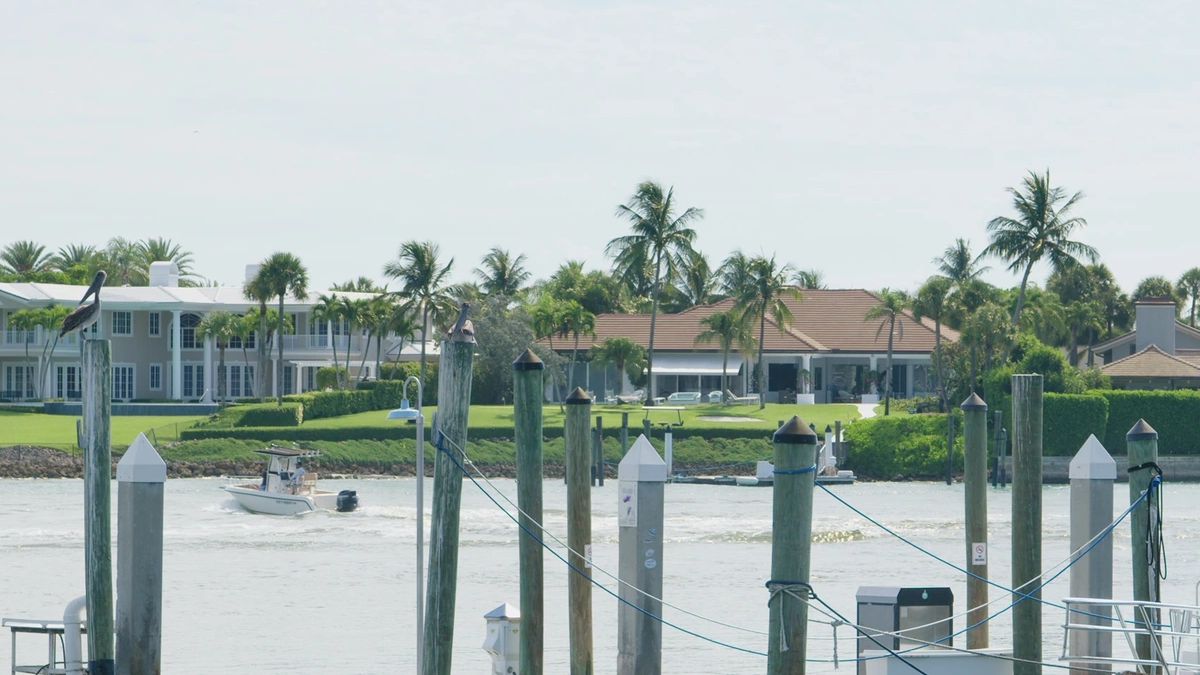
Source review: 4 November 2026; editorial package prepared 5 November 2026. Public pages or relevant indexed extracts were used, with access limits stated above. APX analysis and explicitly fictional illustrations are distinct from source findings. No private quotes, invoices, surveys or confidential operating records were reviewed. Feature image: AI-generated editorial illustration of a generic asset or scene; it does not depict an inspected or listed model.
APX Connect
Reviewing a yacht acquisition, ownership budget, equipment specification or refit programme?
APX members can use APX Connect to request confidential introductions to relevant yacht managers, brokers, surveyors, refit providers, maritime lawyers and relevant tax and customs advisers and other specialist network participants. Requests are reviewed by APX before an introduction is made.
For yacht and maritime specialists: APX also works with professional contributors seeking to share specialist intelligence and expertise with a curated private network.
Request an Introduction
Continue Your Journey
I Want to Acquire
Explore selected yacht opportunities available through the APX network.
Browse Listings
I Want to Sell
Present a yacht or specialist marine asset to relevant members through APX.
Partner With APX
I Need an Introduction
Request a confidential connection to an appropriate maritime, technical or yacht-ownership specialist.
APX Connect
I Want to Publish
Share specialist yacht ownership, refit and maritime intelligence with the APX network.
Become an APX Partner
Companion reading in this ownership series: Five New Motor Yachts Worth Shortlisting: Value, Specification and Ownership Trade-offs; Buying a New Yacht: What the Quoted Price Leaves Out.
APX Intelligence is published for informational and editorial purposes only. This article does not constitute investment, financial, tax, customs, legal, valuation, maritime safety or technical advice. Yacht specifications, prices, facilities, availability, contractual terms and applicable rules can change. Published capacities and performance depend on their stated conditions. Named businesses are included for editorial reference, without implying APX inspection, affiliation or endorsement. Obtain current vessel-specific quotations and advice from appropriately qualified independent professionals before purchasing, operating, moving or modifying a yacht.